


Why 2026 Is the Year to Protect Your Family from Pollution
We used to think of pollution as something distant—happening in faraway oceans, forests, or industrial zones. But in 2026, it’s clear that pollution is no longer “out there.” It’s in the air we breathe, the water we drink, and even inside our homes. From rising health costs linked to poor air quality to increasing climate-related risks across the U.S. and worldwide, pollution has become a direct threat to everyday life.
For families today, this isn’t just an environmental issue—it’s a personal one. Learning how toprotect your family from pollution is now essential for safeguarding your health, finances, and future. The good news? Awareness is growing, and so are the solutions. From smarter home habits to cleaner technologies and healthier lifestyle choices, small actions can make a powerful difference.
In this guide, you’ll discover 10 easy and practical ways to protect your family from pollution in 2026, helping you create a safer, healthier, and more secure environment—no matter where you live.

10 Easy Ways to Protect Your Family from Pollution
Section 1
Food & Soil Health
- The Hidden Hunger: How Soil Degradation is Depleting American Nutrition
- Beyond the Plate: Why Extreme Weather is Threatening U.S. Food Security
- The Sustainable Diet Shift: Fighting Lifestyle Diseases with Plant-Based Living
Section 2
Contamination & Chemicals
- The Credit Card Diet: Detecting Microplastics in the American Food Chain
- Toxic Accumulation: How Daily Chemical Exposure Fuels Rising Cancer Rates
- The Groundwater Crisis: Why Improper E-Waste Disposal is Poisoning Our Taps
- Antibiotic Resistance: How Environmental Pollution Creates Untreatable Superbugs
Section 3
Urban Living & Modern Stressors
- The 24/7 Radiator: Managing the Urban Heat Island Effect in Major Cities
- The Silent Strain: Why Extreme Heat is the Deadliest Threat to Heart Health
- The Cost of Noise: How Urban Sound Pollution Triggers Chronic Sleep Disorders
- The End of Night: Why Light Pollution is Rewiring Our Circadian Rhythms
Section 4
Ecosystems & Disease
- The Spillover Effect: Why Deforestation is the Birthplace of Modern Pandemics
- Marine Acidification: The Quiet Collapse of Our Primary Protein Sources
- The Medicinal Library: How Biodiversity Loss Stalls the Future of Drug Discovery
Section 5
Mental Health & Society
- Eco-Anxiety: Navigating the Mental Health Crisis in the Younger Generation
- Climate Refugees in America: The Health Risks of Internal Displacement
- The Nature Prescription: Why Green Spaces Are Essential for Modern Immunity
Section 6
Recovery & Resilience
- A Global Success Story: How Ozone Layer Recovery is Lowering Skin Cancer Risks
- Building Climate Resilience: Simple Habits to Protect Your Home and Health
- The 2026 Outlook: Policy Changes and the Future of Environmental Wellness
1. PM2.5 in America: The Invisible Threat Costing Your Health & Money
In the United States, Air Quality is no longer just an environmental topic—it’s a daily health and financial issue. From wildfire smoke in California to smog in cities like New York and Chicago, the real danger is something you can’t even see: PM2.5.
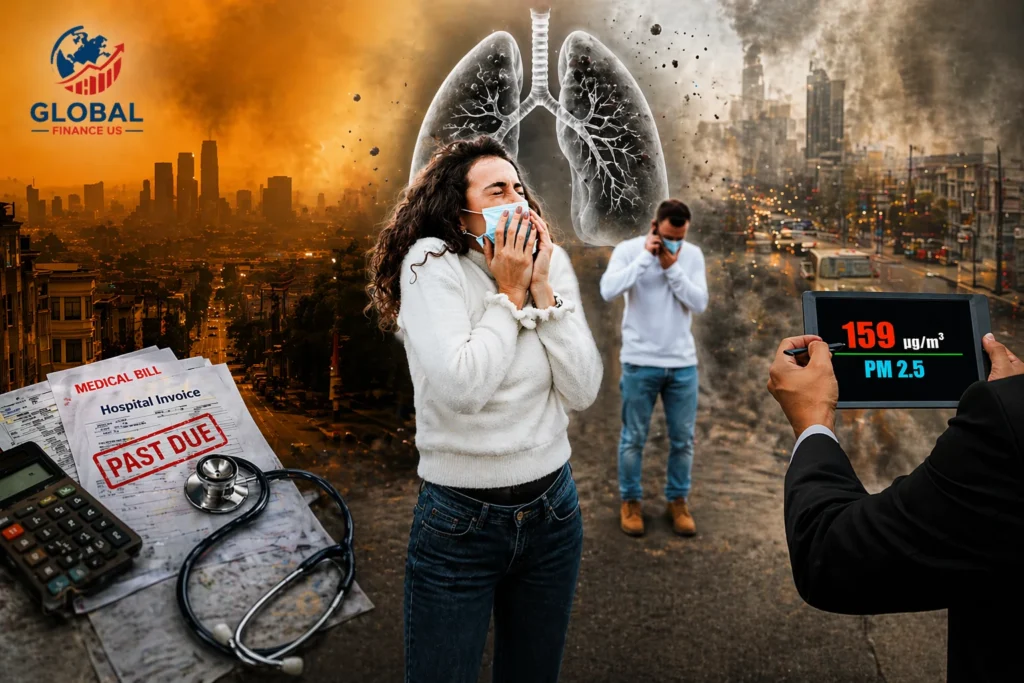
What is PM2.5? (The Hidden Enemy)
- PM2.5 = ultra-fine particles (30x smaller than a human hair)
- Small enough to bypass your body’s natural defenses
- Travels deep into lungs and even enters your bloodstream
- Not just pollution—it’s a direct internal threat
How Americans Can Protect Themselves
Simple, Practical Actions
✅ Check AQI Daily
Treat it like checking the weather—avoid outdoor activity in orange/red zones
✅ Use HEPA Air Purifiers
Turn your home into a clean-air safe zone
✅ Limit Outdoor Exposure
Especially during wildfire or high-smog days
✅ Support Green Infrastructure
Trees and parks act as natural air filters
Why PM2.5 Matters for American Families
1. Everyday Life Gets Disrupted
- “Orange sky” days = kids stay indoors
- Outdoor sports, school activities get canceled
- Higher risk for asthma attacks
2. Long-Term Health Risks
- Linked to heart disease
- Causes lung damage & COPD
- Associated with cognitive decline in seniors
3. Financial Impact (Underrated Risk)
- More ER visits & hospital bills
- Increased insurance and healthcare costs
- More missed workdays = lost income
PM2.5 vs Human Health (Quick Breakdown)
- Deep Lung Penetration → Shortness of breath
- Enters Bloodstream → Heart inflammation
- Long-Term Exposure → Lung disease & cancer risk
- High-Risk Groups → Kids & elderly suffer most
Bottom Line (Financial + Health Perspective)
Clean air = lower medical bills + better quality of life.
In today’s America, PM2.5 is both a health risk and an economic burden. You may not see it—but you pay for it through your lungs, your time, and your money.
👉 The smartest move?
Stay informed, protect your home, and advocate for cleaner air policies.
Protect Your Health & Finances
Air pollution isn’t just a health issue—it’s a financial risk. Rising hospital visits, respiratory treatments, and long-term care costs make having the right coverage essential.
👉 Explore your options with our complete guide to
Best Health Insurance Plans in the USA
The “PM2.5 vs. Human Health” Breakdown
| Feature | Impact on the Body | Real-World Consequence |
| Deep Penetration | Reaches the Alveoli (air sacs) | Triggers immediate shortness of breath. |
| Systemic Entry | Crosses into the Bloodstream | Can lead to inflammation of the heart. |
| Chronic Exposure | Permanent Lung Damage | Increases risk of COPD and Lung Cancer. |
| Vulnerable Groups | Affects Kids & Seniors most | Higher school absences and ER visits. |
2. Water-Borne Pathogens in America: The Hidden Risk Flooding Brings to Your Health & Wallet
In the United States, Water Safety is no longer guaranteed. With rising floods and climate shifts, contaminated water is becoming a serious health and financial threat. From bacteria to toxic runoff, what flows into your home can directly impact your family’s health and your medical expenses.
Key Pathogens to Watch
| Pathogen | Source in Floods | Common Symptoms | Why it’s a US Concern |
| Cryptosporidium | Livestock/Animal Waste | Severe Diarrhea | Resistant to Chlorine; causes massive outbreaks. |
| Legionella | Stagnant/Warm Pipe Water | Severe Pneumonia | Nation’s deadliest waterborne killer. |
| Norovirus | Human Sewage Overflows | Vomiting/Stomach Flu | Spreads rapidly in crowded shelters after floods. |
| Vibrio | Warming Coastal Waters | Skin Infections/Sepsis | “Flesh-eating” bacteria rising in the Gulf & East Coast. |
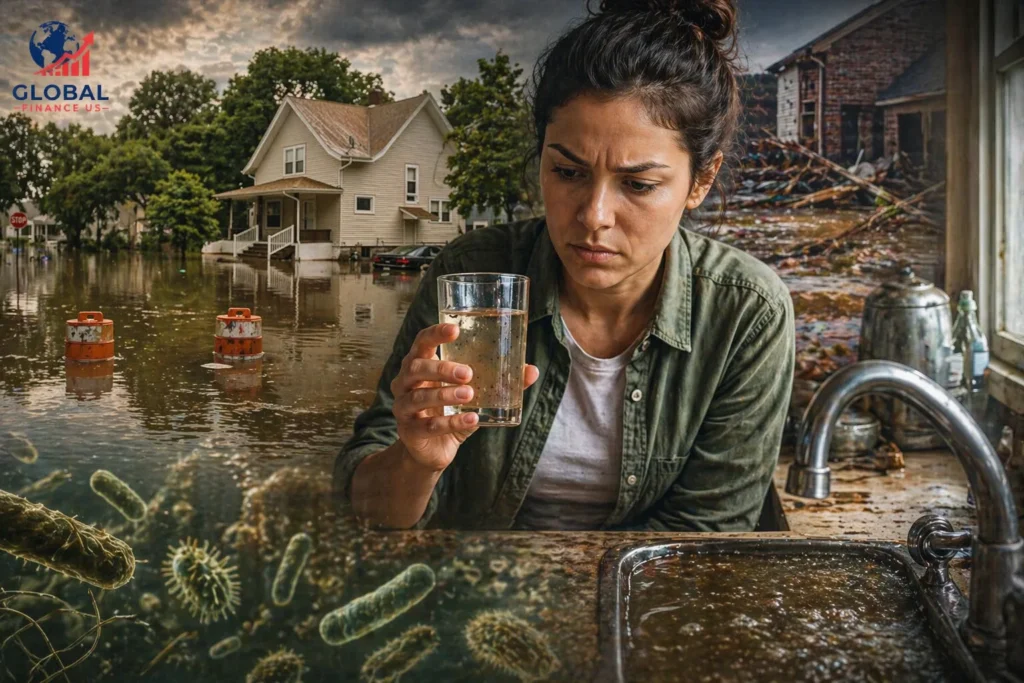
The “Flood-to-Faucet” Crisis Explained
When floods hit American cities, they don’t just bring water—they carry dangerous contaminants.
How It Happens
- Overloaded Sewer Systems
- Heavy rain overwhelms aging infrastructure → raw sewage leaks into water sources
- Spread of Pathogens
- Floodwater carries:
- E. coli (bacteria)
- Cryptosporidium (parasite)
- Norovirus (virus)
- Private Well Contamination
- 43 million Americans rely on wells
- Flooding can make water unsafe overnight
U.S. Health & Financial Impact (2025–2026 Data)
- ⚠️ 7.15 Million Illnesses yearly
- → About 1 in 44 Americans affected
- 💰 $3.3 Billion Healthcare Costs
- → ER visits, hospital stays, treatments
- ☠️ Legionnaires’ Disease Rising
- → Deadliest waterborne illness in the U.S
- 🧪 Toxic Flood Risks
- → Nearly 100 Superfund sites at risk of leaking chemicals
Why This Matters to American Families
Real-Life Impact
- 🚱 Boil Water Advisories
- → No direct tap water for drinking or cooking
- 👶 Daily Struggles
- → Washing baby bottles becomes a risk
- 🏥 Health Anxiety
- → Seniors & weak immunity = higher hospitalization risk
- 🏖️ Closed Beaches & Lakes
- → High bacteria levels after storms
How to Protect Your Family (Simple Actions)
✅ Test Your Water Source
- Especially if you use a private well
✅ Follow Boil Water Alerts
- Never ignore official warnings
✅ Upgrade Awareness
- Support modern water infrastructure
✅ Avoid Floodwater Contact
- It may contain harmful bacteria & chemicals
Bottom Line (Health + Finance Insight)
Contaminated water = higher medical bills + serious health risks.
In today’s America, Water-Borne Pathogens are not just an environmental issue—they are a financial concern affecting millions of households.
👉 The smart move?
Stay informed, protect your water, and invest in preventive health measures to avoid costly consequences.
🔗 Protect Your Family From Pollution Future Financially
Water-borne diseases don’t just affect your health—they can lead to unexpected medical bills, long-term treatment costs, and financial stress for your family. In the U.S., even a single hospitalization can impact your savings and future planning.
👉 Compare coverage options with our guide to
Affordable Life Insurance Policies in the USA
3. Mosquito-Borne Diseases in America: The Silent Spread Costing Your Health & Money
In the United States, diseases like Dengue and Malaria were once considered “travel risks.” In 2026, that’s no longer true. Due to climate change, warmer winters, and longer summers, disease-carrying mosquitoes are spreading into new regions—bringing health risks and rising healthcare costs directly to American homes.
The New Reality: “Local Transmission” in the U.S.
- Cases are no longer just imported—they are locally acquired
- Mosquitoes are now active in states like:
- Florida, Texas, Maryland
- Expanding toward New York & New Jersey
- A simple mosquito bite is no longer “just an itch”
👉 It can now mean serious illness and unexpected medical bills
U.S. Data Snapshot (2025–2026)
- ⚠️ 3,800+ Dengue cases (2025) — Record high
- 630+ cases already in 2026 (early season surge)
- Malaria returning after 20+ years (localized outbreaks)
- 🌡️ Mosquito season expanding
- → Expected to be 2 months longer by 2050
Why Mosquitoes Are Expanding in the U.S.
Key Drivers
- Milder Winters
- Eggs survive in garages, basements, drains
- Eggs survive in garages, basements, drains
- Increased Rainfall
- Standing water = breeding zones
- Urban Environments
- Gutters, tires, containers trap water
Impact on American Families
Everyday Life Changes
- Bug spray becomes essential (not optional)
- Outdoor time at dusk = higher risk
- Kids need protection even in cooler months
Financial & Health Impact
- Higher healthcare costs (diagnosis + treatment)
- Delayed diagnosis (less familiarity in U.S.)
- Economic impact on:
- Outdoor dining
- Summer camps
- Travel & tourism
Why This is a Financial Issue (Not Just Health)
- ER visits & testing = unexpected expenses
- Insurance claims rising in affected states
- Preventive products = new household costs
👉 Mosquito-borne diseases = Hidden financial risk in 2026
How to Protect Your Family (Simple & Effective)
✔️ Tip & Toss Water Weekly
- Buckets, toys, plant pots
✔️ Use EPA-Approved Repellent
- DEET / Picaridin / Lemon Eucalyptus
✔️ Secure Windows & Doors
- Fix screens, block entry points
✔️ Smart Landscaping
- Reduce standing water areas
- Use natural deterrents (lavender, lemongrass)
Bottom Line (Health + Finance Insight)
Mosquitoes are no longer just a nuisance—they’re a growing health and financial threat in America.
In 2026, protecting your home means:
- Preventing bites
- Reducing exposure
- Avoiding costly medical bills
Final Takeaway
The environment is changing—and so are the risks.
Stay prepared, stay protected, and safeguard both your health and your wallet.
Protect Your Home & Finances from Hidden Risks
Mosquito-borne diseases don’t just impact your health—they can also affect your home environment, safety, and long-term expenses. From increased pest control costs to potential property damage caused by standing water and flooding, the financial impact can add up quickly.
👉 Compare coverage options with our guide to
Affordable Home Insurance Policies in the USA

The Impact on the American Lifestyle
| Factor | What it Means for You | The 2026 “Human” Impact |
| Longer Seasons | Bug spray is now a 3-season essential. | Kids can’t play outside at dusk without protection, even in October. |
| Hidden Breeding | Modern “clutter” (tires, gutters) | Even a bottle cap of water can breed 200 mosquitoes in your yard. |
| Healthcare Cost | Harder to Diagnose | US doctors aren’t “used” to seeing Dengue, leading to delayed treatment. |
| Economic Strain | Outdoor Business Impact | Al fresco dining and summer camps face higher insurance and safety costs. |
4.Hidden Hunger in America: Why Your Food Is Losing Nutrients (And Costing You More)
In the United States, Food Security is no longer just about having enough food—it’s about whether that food delivers real nutrition. In 2026, many American families are facing “Hidden Hunger”: full plates, but fewer essential vitamins and minerals. The result? Higher healthcare costs, lower energy, and long-term financial strain.
Build Your Emergency Fund for Rising Food & Health Costs
In today’s America, rising food prices and declining nutrition don’t just affect your health—they impact your monthly budget, savings, and long-term financial security. Unexpected grocery inflation and healthcare expenses can quickly drain your finances if you’re not prepared.
👉 Build a smart emergency fund and manage daily expenses with the right tools. Explore our guide to
Best Credit Cards for Smart Spending & Emergency Funds in the USA
The 2026 Comparison: Quantity vs. Quality
| Factor | The “Old” Way (Quantity) | The “New” Reality (Quality) |
| Focus | How many bushels per acre? | How much Zinc and Protein per serving? |
| Soil | Treated like a “dirt” factory. | Treated as a living ecosystem (Microbiome). |
| Weather | Predictable growing seasons. | “Climate Whiplash” (Droughts followed by Floods). |
| Health Goal | Preventing starvation. | Preventing chronic “Nutrient Deficiency” diseases. |
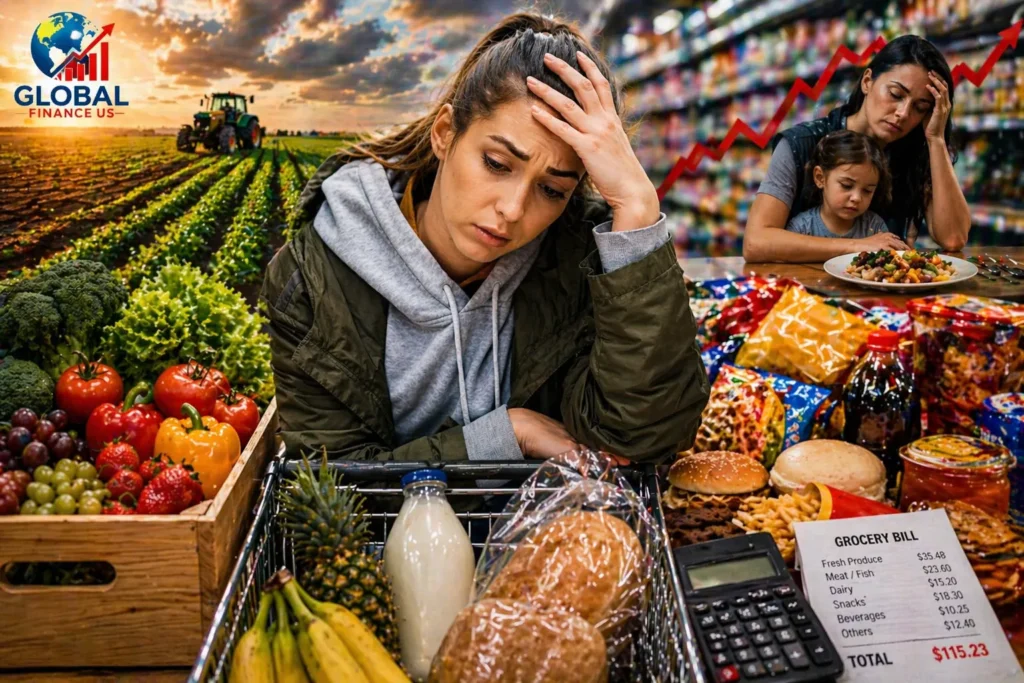
The “Dilution Effect”: More Food, Less Nutrition
Your groceries may look fresh—but they’re often less nutritious than before.
Why This Is Happening
- Soil Degradation
- Intensive farming strips soil of key minerals like Zinc, Magnesium, Iron
- NPK-Only Farming
- Crops get Nitrogen, Phosphorus, Potassium → but miss 20+ micronutrients
- High CO₂ Levels
- Plants grow faster but become nutrient diluted (less protein, fewer vitamins)
Result: Bigger produce, weaker nutrition
U.S. Data Snapshot (2025–2026)
- ⚠️ 13.7% of U.S. households face food insecurity
- → ~18.3 million families affected
- Nutrient decline in crops
- Calcium ↓ 16% , Iron ↓ 15%, Vitamin C ↓ 15%
- Extreme weather disruptions
- → Floods & droughts increase food prices
- Healthy food costs rising faster
- → Organic & nutrient-rich foods = more expensive
Why This Matters for American Families
Real-Life Impact
- Budget vs Nutrition Conflict
- $3 processed snacks vs $6 fresh produce
- Tasteless” Food Problem
- Less flavor = fewer nutrients
- ⚕️ Long-Term Health Risks
- Obesity
- Type 2 Diabetes
- Vitamin deficiencies
The Financial Impact (Often Ignored
- 💵 Poor nutrition → higher medical bills
- 🏥 Chronic diseases → long-term healthcare costs
- Healthy diets → increasing grocery expenses
👉 Hidden hunger = hidden financial burden
2026 Shift: Quantity vs Quality
What’s Changing
- Old focus: More yield (quantity)
- New focus: More nutrients (quality
Key Differences
- Soil: Dirt → Living ecosystem
- Farming: Mass production → Regenerative practices
- Goal: Full stomach → Healthy body
What You Can Do (Smart Consumer Moves)
✔️ Choose “Soil-First” Foods
- Look for: Regenerative Organic, Carbon-Smart
✔️ Eat Local & Seasonal
- More nutrients, less transport damage
✔️ Grow Small at Home
- Herbs like basil, parsley = high nutrient value
✔️ Prioritize Quality Over Quantity
- Fewer groceries, better nutrition
Bottom Line (Health + Finance Insight)
Food security today isn’t about quantity—it’s about quality.
In 2026, the real risk isn’t hunger—it’s nutrient deficiency hiding in plain sight, leading to:
- Higher healthcare costs
- Lower energy & productivity
- Long-term financial impact
Global Finance US Final Takeaway
What you eat today affects your health—and your wallet tomorrow
Healthy soil = healthy food = financially stronger future.
5. Microplastics in America: The Hidden “Plastic Diet” Impacting Your Health & Future
In the United States, plastic pollution is no longer just an ocean problem—it’s inside our bodies. In 2026, scientists confirm that Microplastics are entering our blood, organs, and even reproductive systems. For American families, this is not just a health issue—it’s a growing financial and long-term life risk.
Apply for a Credit Card Online & Stay Financially Prepared
In today’s America, rising health risks—from microplastics exposure to increasing healthcare costs—can create unexpected financial pressure. Medical bills, fertility treatments, and long-term care expenses can quickly impact your savings and monthly budget if you’re not prepared.
👉 Get fast approval and access funds when you need them most with
Apply for a Credit Card Online in the USA
Quick Comparison: Plastics vs. Human Systems
| Entry Point | The “Inside” Destination | Potential Health Risk |
| Ingestion (Water/Food) | Gut Lining & Bloodstream | Chronic inflammation and metabolic issues. |
| Inhalation (Dust/Fibers) | Deep Lung Tissue | Respiratory irritation and “plastic lung.” |
| Maternal Transfer | The Placenta | Can affect fetal development and birth weight. |
| Cellular Uptake | Reproductive Organs | Lower fertility rates and hormonal imbalance. |
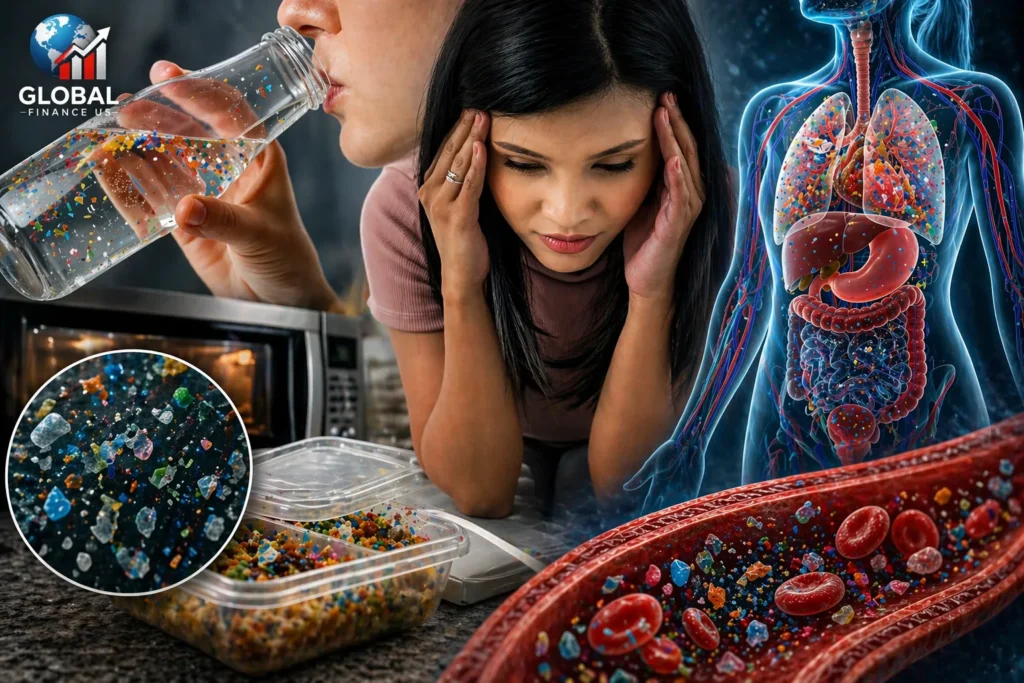
The “Credit Card” Plastic Diet
You may be consuming more plastic than you think.
- ⚠️ Average intake: ~5 grams per week
- 👉 Equivalent to eating a credit card
How It Enters Your Daily Life
- 💧 Bottled Water
- → Contains hundreds of thousands of microplastic particles
- Kitchen Exposure
- → Heating plastic containers releases toxins
- Air You Breathe
- → Synthetic fibers (clothes, carpets) enter lungs
Why This Is a Serious Health Concern
Inside Your Body
- Microplastics found in:
- Bloodstreams
- Placenta
- Testes & breast milk
👉 These particles don’t just pass—they accumulate
Impact on Fertility & Hormones
- Endocrine Disruptors (BPA, Phthalates)
→ Mimic hormones like estrogen & testosterone
- Hormonal Imbalance
→ Disrupts reproductive signals
- Declining Fertility
→ Lower sperm quality & reproductive health issues
U.S. Data Snapshot (2025–2026)
- 80% of Americans have microplastics in their blood
- $410B–$930B annual healthcare cost burden
- EPA Action (2026)
- → Microplastics added to water safety watchlist
- Government Response
- → New programs to remove plastics from the body
The Financial Reality (Often Ignored)
- Chronic illnesses = higher medical bills
- Fertility treatments = expensive procedures
- Long-term exposure = lifetime healthcare costs
Microplastics = Hidden financial risk for American families
How Microplastics Affect Your Body
- Ingestion (Food/Water)
- → Gut damage, inflammation
- Inhalation (Air)
- → Lung irritation
- Maternal Transfer
- → Impacts fetal development
- Cellular Level
- → Hormonal imbalance & fertility decline
Simple Steps to Reduce Plastic Exposure
Easy Changes That Matter
✔️ Switch to Glass Containers
- → Avoid heating plastic
✔️ Use Reusable Bottles (Steel/Glass)
- → Reduce bottled water exposure
✔️ Filter Your Water (RO/Carbon)
- → Better microplastic removal
✔️ Choose Natural Fabrics
- → Cotton, wool over polyester
✔️ Avoid Disposable Cups
- → Many contain hidden plastic lining
Bottom Line (Health + Finance Insight)
Microplastics are not just an environmental issue—they are a personal health and financial threat.
In 2026:
- What you eat, drink, and breathe matters more than ever
- Small daily habits can reduce long-term risks
- Protecting your body today = saving on healthcare tomorrow
Final Takeaway
We can’t eliminate plastic overnight—but we can control our exposure.
Less plastic today = healthier body + stronger financial future tomorrow.
6. Zoonotic Spillover in America: The Hidden Risk Living Right Outside Your Door
In today’s United States, pandemic risk is no longer distant—it’s local. As new homes, roads, and suburbs expand into natural habitats, we’re creating more فرص for viruses to jump from animals to humans. This is called Zoonotic Spillover—and in 2026, it’s one of the biggest threats to public health and financial stability in America
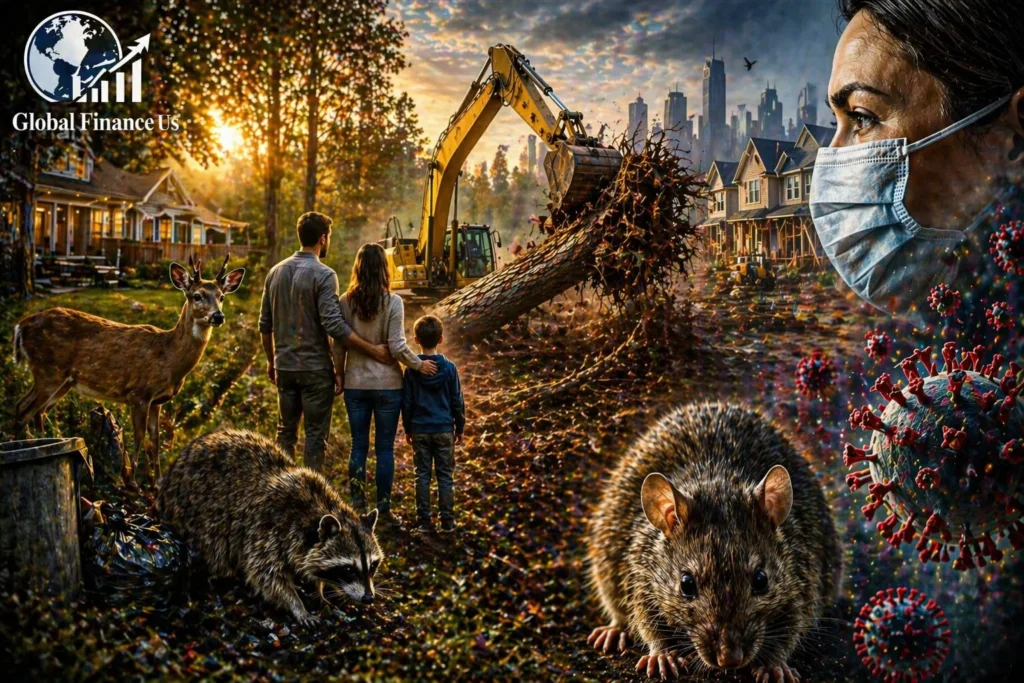
Why Deforestation is a “Virus Trigger”
| Action | Environmental Result | Human Health Risk |
| Land Clearing | Animals lose their natural food sources. | Wildlife enters suburban trash cans and gardens looking for food. |
| Habitat Loss | Predators (foxes/owls) disappear. | Disease-carrying rodents (mice/rats) population explodes. |
| Road Building | Opens deep woods to human traffic. | Increases chances of “Patient Zero” contacting a rare virus. |
| Climate Stress | Animals migrate to new, cooler areas. | Different species meet for the first time, swapping new viruses. |
Calculate Your Future Wealth Smartly
In today’s America, rising healthcare costs, food inflation, and environmental risks don’t just impact your health—they directly affect your long-term financial planning. Whether it’s unexpected medical bills or higher living expenses, your savings need to grow faster than inflation.
👉 That’s where compound interest becomes your biggest advantage
Build wealth over time and stay financially secure by using a powerful tool designed for smart Americans:
What is Zoonotic Spillover? (Simple Breakdown)
- A virus transfers from animals → humans
- Happens when humans interact closely with wildlife
- Driven by urban expansion + climate change + ecosystem imbalance
👉 Think: Your backyard is now closer to wildlife than ever before.
The Hard Numbers (USA 2025–2026)
- 📌 60% of diseases in humans come from animals
- 75% of new diseases (COVID-19, Avian Flu) are zoonotic
- 📌 USA detected 42+ new viruses recently
- 📌 Massive livestock industry = “virus bridge” to humans
👉 Translation:
This is not rare—it’s increasing.
How It’s Happening in the USA (The “Backyard Risk”)
🔹 Forest Fragmentation
- Large forests → broken into small housing areas
- Wildlife forced into human neighborhoods
🔹 Predator Loss
- Fewer foxes, hawks → more mice & rodents
- Rodents = high disease carriers
🔹 Suburban Expansion
- New roads + construction → human-wildlife contact increases
- Higher chance of “Patient Zero” events
How to Protect Your Family (2026 Action Plan)
✔️ Smart Living Habits
- Avoid feeding wild animals
- Secure trash & outdoor food
✔️ Support Green Spaces
- Advocate for protected forests & green belts
- Healthy ecosystems = natural virus barrier
✔️ Stay Alert
- Watch for unusual wildlife behavior
- Follow local health advisories
✔️ Community Awareness
- Support wastewater virus monitoring systems
- Early detection = lower risk
The Human Reality (USA Families)
- Kids playing outside → closer contact with wildlife
- Garbage, gardens → attract infected animals
- New construction areas → hotspots for disease risk
👉 A mosquito bite, rodent contact, or animal exposure
is no longer “normal”—it can be a health event
The Financial Impact (Global Finance US Angle)
Zoonotic diseases don’t just affect health—they hit your wallet:
- Emergency hospital visits = high bills
- Long-term treatment costs increase
- Work loss → reduced income
- Insurance premiums rise after outbreaks
Pandemics = economic shocks for American households
7. Eco-Anxiety in America 2026: The Hidden Mental Health Cost of Climate Change
In 2026, the climate crisis isn’t just hitting our environment—it’s hitting our mental health. Across the United States, millions are dealing with ECO-ANXIETY, a growing emotional and financial burden that is quietly reshaping how Americans live, plan, and spend.
What is Eco-Anxiety? (The New American Reality)
Eco-Anxiety is the constant fear of environmental collapse. It’s no longer rare—it’s becoming mainstream in the USA, especially among Gen Z and Millennials.
It shows up as:
- Stress when checking air quality alerts
- Guilt over everyday habits like plastic use
- Fear about the future of housing, careers, and family life
Imagine planning your future—not around opportunities—but around climate risk maps. That’s the new reality for many young Americans.
The Numbers You Can’t Ignore (USA 2025–2026 Data)
- 68% of U.S. adults report eco-anxiety
- 80%+ (ages 18–34) feel climate-related stress
- 1 in 4 Americans delay having children due to climate concerns
- 400% rise in climate-focused therapists in the U.S.
👉 This isn’t just emotional—it’s becoming a national mental health trend.
The Eco-Anxiety Spectrum (How It Affects Daily Life)
| Feeling | What It Looks Like | Real-Life Impact |
|---|---|---|
| Environmental Guilt | Overthinking daily habits | Burnout & decision fatigue |
| Climate Grief | Mourning nature loss | Hopelessness, sadness |
| Future Dread | Fear of disasters | Sleep issues, anxiety |
| Eco-Anger | Frustration with systems | Social withdrawal or stress |
The Financial Impact (Why This Matters for Your Wallet)
Eco-anxiety is not just emotional—it directly affects financial behavior in America:
- Delayed life decisions → Marriage, kids, home buying
- Increased healthcare costs → Therapy, stress-related illness
- Lower productivity → Burnout affects income
- Higher insurance concerns → Climate risk raises premiums
Mental stress today = financial instability tomorrow
The Human Perspective: From Fear to Control
In 2026, experts aren’t saying “don’t worry.”
They’re saying: “Your fear is valid—but you can manage it.”
What’s Changing:
- Therapists now validate climate-related stress
- Communities are building support groups (“Climate Cafés”)
- Focus is shifting from panic → practical action
How to Manage Eco-Anxiety (The 2026 Toolkit)
✔️ 1. Limit Doom-Scrolling
- Set a 15-minute news limit
- Avoid constant negative exposure
✔️ 2. Focus on What You Control
- Join local cleanups
- Start small (home, community, lifestyle)
✔️ 3. Reconnect with Nature
- Spend time outdoors
- Shift mindset from fear → appreciation
✔️ 4. Build Mental Resilience
- Practice mindfulness
- Take climate-focused mental health breaks
Global Finance US Take & The Bottom Line
In 2026, mental health is part of climate health.
You can’t build a strong future if anxiety is draining your energy and finances.
Taking care of your mind = protecting your money, your future, and your life.
Protect Your Financial & Mental Future
Plan for Long-Term Stability in an Uncertain Climate
In today’s America, rising climate stress, mental health challenges, and future uncertainty are not just emotional—they directly impact your retirement planning, savings goals, and long-term financial security.
👉 When the future feels unpredictable, having a clear financial roadmap can reduce anxiety and give you control.
👉 Start planning smarter and secure your future with the right tools:
Explore → Best Free Retirement Calculator USA – Simple & Fast
https://globalfinanceus.com/category/retirement-calculator/
8. Extreme Heat Stress in America 2026: The Hidden Health & Financial Crisis
Extreme Heat in the U.S. is no longer just uncomfortable—it’s a public health emergency and a financial burden. From Texas to New York, rising temperatures are impacting kidney health, productivity, energy bills, and long-term savings.
This isn’t just about weather—it’s about your health, income, and financial future.
The Silent Health Crisis: More Than Heat Stroke
Most Americans think of heat stroke—but the real danger is deeper.
What’s Happening:
- Chronic Kidney Disease (CKD) is rising among outdoor workers
- Continuous dehydration causes long-term organ damage
- Workers in construction, delivery, and agriculture are at highest risk
Real-life impact:
A delivery driver working daily in 100°F+ heat isn’t just tired—their kidneys are slowly failing over time
Hard Numbers: U.S. Heat Crisis (2025–2026)
- #1 Weather Killer in the U.S. – Heat causes more deaths than floods, hurricanes, or tornadoes
- 🏥 25% Increase in ER Visits due to heat-related illness
- 🧪 Higher Kidney Injury Rates linked to rising temperatures
- 🌡️ Wet Bulb Temperatures now making some regions unsafe—even in shade
Who Is Most at Risk?
| Group | Risk | Why It Matters |
|---|---|---|
| 🚧 Outdoor Workers | Kidney Damage | Long hours in extreme heat |
| 👴 Elderly | Heart Failure | Limited cooling access |
| 🏈 Student Athletes | Heat Stroke | Intense summer training |
| 🏙️ Urban Residents | Heat Island Effect | Cities stay hot overnight |
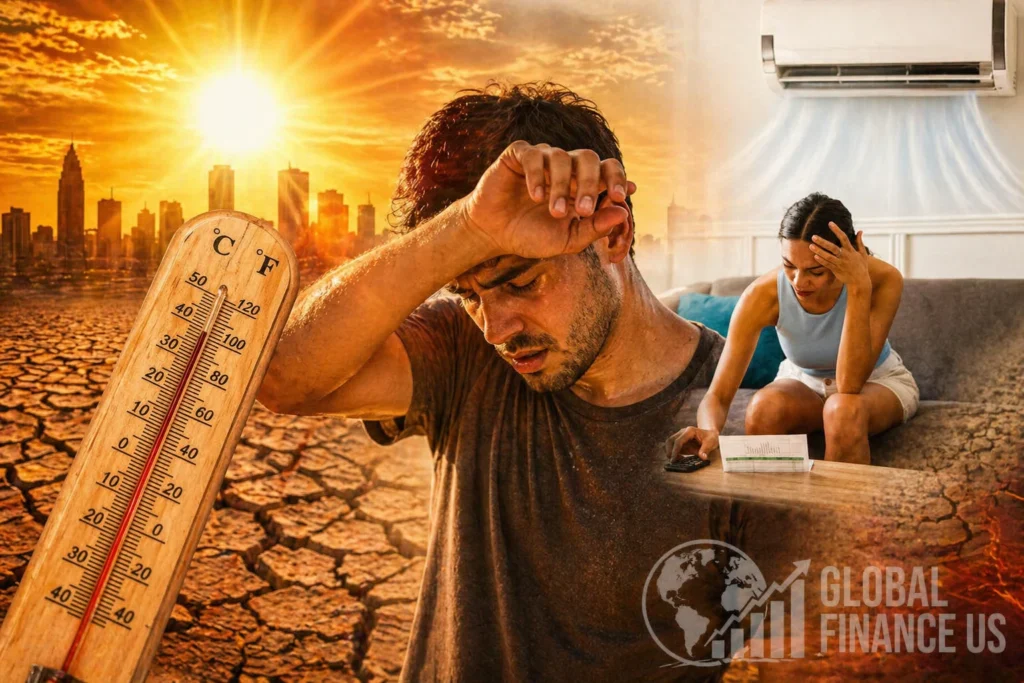
The Financial Impact: “Cooling Poverty” in America
Extreme heat is now hitting wallets hard.
What’s Changing:
- Rising electricity bills (A/C costs)
- Higher healthcare expenses
- Reduced work productivity & income loss
Many U.S. families now face a tough choice:
Stay cool or save money
A Human Reality: Life in the “New Hot America”
- 🌅 People exercise & shop at 5 AM to avoid heat
- 🏠 Homes run A/C all day = sky-high bills
- 😓 Outdoor jobs becoming dangerous careers
This is not the future—it’s happening now.
Plan Smart for Rising Costs
👉 Use smart financial tools to prepare for rising living and healthcare costs:
Explore → Best Investment Calculator: Grow Money Fast & Easy
How to Protect Yourself (2026 Safety Guide)
✔️ Smart Heat Protection Tips:
- 💧 Hydration+ Rule: Add electrolytes, not just water
- 🌡️ Check Heat Index: Humidity makes heat more dangerous
- 👥 Buddy System: Watch for confusion & fatigue
- ❄️ Pre-Cooling: Cool your body before going outside
The Bottom Line
In 2026, Extreme Heat in America is a health crisis + financial challenge.
Your kidneys, heart, and wallet are all on the front lines.
👉 Staying safe isn’t just about cooling down—
it’s about planning smarter, living smarter, and protecting your future.
9.Antibiotic Resistance in America 2026: The Hidden Environmental Crisis Costing Lives & Billions
Antibiotic Resistance (AMR) is no longer just a hospital problem—it’s an environmental and financial crisis in the United States.
From polluted rivers to agricultural runoff, bacteria are becoming stronger before they even enter the human body.
👉 This means higher medical costs, longer hospital stays, and rising financial pressure on American families.
The “Training Ground” Effect: How Pollution Creates Superbugs
Bacteria are no longer just evolving inside hospitals—they’re being trained in the environment.
What’s Happening:
- Low-dose pollution acts like a “gym for germs”
- Bacteria adapt and become drug-resistant
- These “superbugs” return to humans through:
- 💧 Water
- 🥬 Food
- 🌫️ Air & dust
👉 Real-life impact:
You may take antibiotics correctly—but the bacteria in your body may already be resistant before treatment begins
Hard Numbers: U.S. AMR Crisis (2025–2026)
- 💰 $20 Billion Annual Cost to the U.S. healthcare system
- 🏥 $34,000 Avg. Hospital Cost for resistant infections
- ⚠️ 19 Major AMR Threats identified (including MRSA & C. auris)
- 🌎 Growing evidence of environmental “superbug hotspots”
Human Reality: Why This Matters to Your Family
This is not just science—it’s personal.
Real Impact:
- Routine surgeries (C-section, dental work) become riskier
- Common infections (UTI, strep) become harder & costlier to treat
- Children face higher exposure through water, parks, and food
Even if you use antibiotics responsibly,
environmental exposure still puts your family at risk
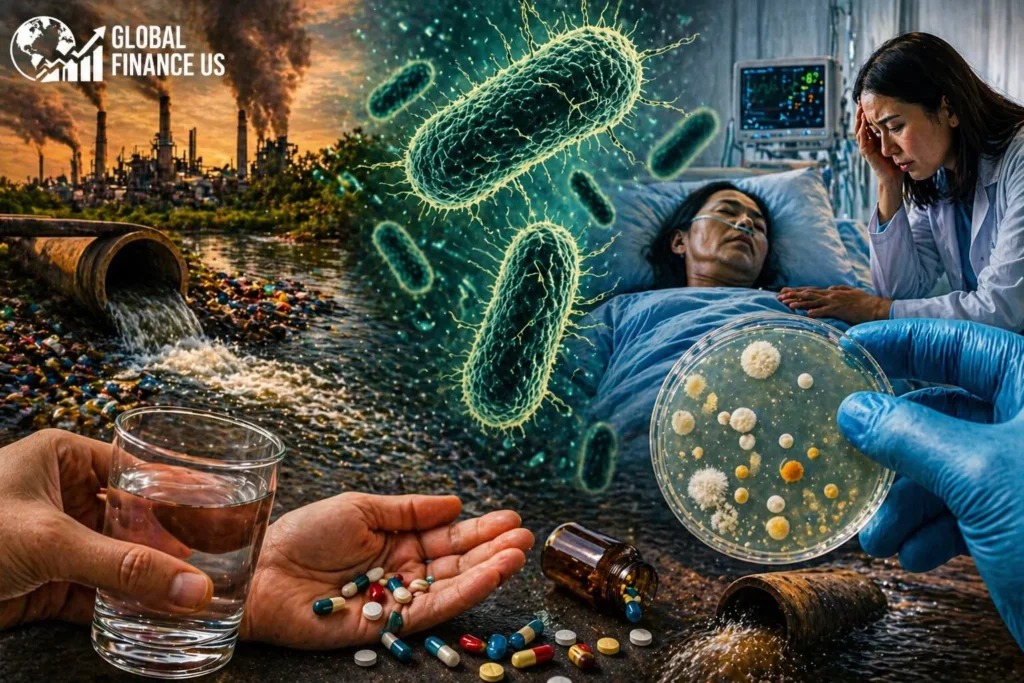
How Pollution Is Fueling Antibiotic Resistance
| Source | What Happens | U.S. Impact |
|---|---|---|
| 🚜 Agricultural Runoff | Antibiotics in manure | Contaminates streams & crops |
| 🏭 Industrial Waste | Chemical stress on bacteria | Builds cross-resistance |
| 🚰 Wastewater Systems | Mix of drugs + bacteria | Releases resistant microbes |
| 🧴 Pesticides | “Co-selectors” effect | Speeds up resistance growth |
How to Protect Your Health & Wallet (2026 Guide)
✔️ Smart Prevention Steps:
- 💊 Use Drug Take-Back Programs (CVS, Walgreens)
- 🚫 Never flush medicines into water systems
- 🌱 Limit pesticide use in your home/garden
- 📋 Always finish prescribed antibiotics
- 💧 Support clean water initiatives
The Financial Burden: Health Crisis = Money Crisis
Antibiotic resistance is silently increasing:
- 💵 Medical bills
- 🏥 Hospital stays
- 📉 Lost income from illness
One infection can now destroy savings or emergency funds
Is Your Paycheck About to Get Bigger? Trump’s Plan to Abolish Income Tax in 2026 Explained!
Trump Tax Plan 2026: Is Federal Income Tax About to Be Abolished?
Plan Smart for Rising Healthcare Costs
As healthcare costs rise due to Antibiotic Resistance, smart financial planning becomes essential.
Explore → Best Mortgage Calculator with Taxes & Insurance – Easy Guide
The Bottom Line
In 2026, Antibiotic Resistance in America is a health + environmental + financial crisis.
👉 The truth is simple:
If we don’t protect our environment, we can’t protect our medicine.
Your health, your savings, and your future are all connected.
10.Urban Heat Islands in America 2026: The Silent Heart Risk Heating Up Your City
Urban Heat Islands (UHI) are no longer just an environmental issue—they’re a public health and financial crisis in the U.S.
From New York to Phoenix, cities are trapping heat like ovens, raising heart attack risks, energy bills, and healthcare costs for millions of Americans.
The “Concrete Oven” Effect (Why Cities Feel Hotter)
- Concrete & asphalt absorb heat all day
- Release heat at night → no cooling recovery
- Cities can be 10°F–15°F hotter than nearby rural areas
Real-life feeling:
Walking on city pavement = like standing on a hot stove
Walking in a park = naturally cooled air
The Financial Impact: Heat Is Getting Expensive
- Rising electricity bills (A/C costs)
- Increased ER visits & medical expenses
- Higher insurance risks in extreme heat zones
- Lower-income areas hit hardest (fewer trees, more heat)
Urban Heat Island USA + rising healthcare costs + energy bills 2026
The Hidden Danger: Your Heart Under Pressure
Why UHI is a Cardiovascular Risk
- Your heart works harder to cool your body
- Blood vessels expand → blood pressure drops
- Continuous heat = 24/7 stress on the body
2026 Health Data (USA)
- 17%–22% higher heart attack rates in hot urban zones
- Every 2°C (3.6°F) night increase → 7.4% rise in heart deaths
- Seniors & heart patients = highest risk group
Human Reality:
A normal summer day can quietly turn into a medical emergency—especially at night.
The Inequality Problem (Zip Code = Health Risk)
- Poor neighborhoods = 5°F–7°F hotter
- Less greenery, more concrete
- Higher exposure → higher disease risk
In 2026, where you live directly impacts your health & finances
Human Touch: Daily Life in a Heat Island
Imagine this:
- You wake up already sweating 🌡️
- Your A/C runs all day (bill goes up 💸)
- Night comes… but the heat doesn’t leave
- That’s the new normal for millions of Americans in 2026
How to Protect Yourself (Simple 2026 Survival Tips)
✔️ Smart Daily Habits
- Close curtains during the day → reduce indoor heat
- Go outside early morning or late evening
- Stay hydrated (especially if on medication)
✔️ Cooling Strategies
- Use community cooling centers
- Add plants or balcony greenery
- Avoid peak heat hours (2 PM – 6 PM)
✔️ Health Awareness
- Watch for dizziness, fatigue, chest pain
- Check on elderly family members
2026 Solutions: Cooling the American City
| Problem | Old Design | 2026 Smart Fix |
|---|---|---|
| Roofs | Dark shingles | Cool reflective roofs |
| Roads | Black asphalt | Cool pavement tech |
| Cities | Concrete-heavy | Urban forests & trees |
| Buildings | Heat-trapping glass | Green walls & vertical gardens |
The Bottom Line
Urban Heat Islands are not just about temperature—they’re about health, inequality, and money.
By adding trees, redesigning cities, and making smarter personal choices, we can:
✔️ Protect our hearts
✔️ Reduce costs
✔️ Build healthier communities